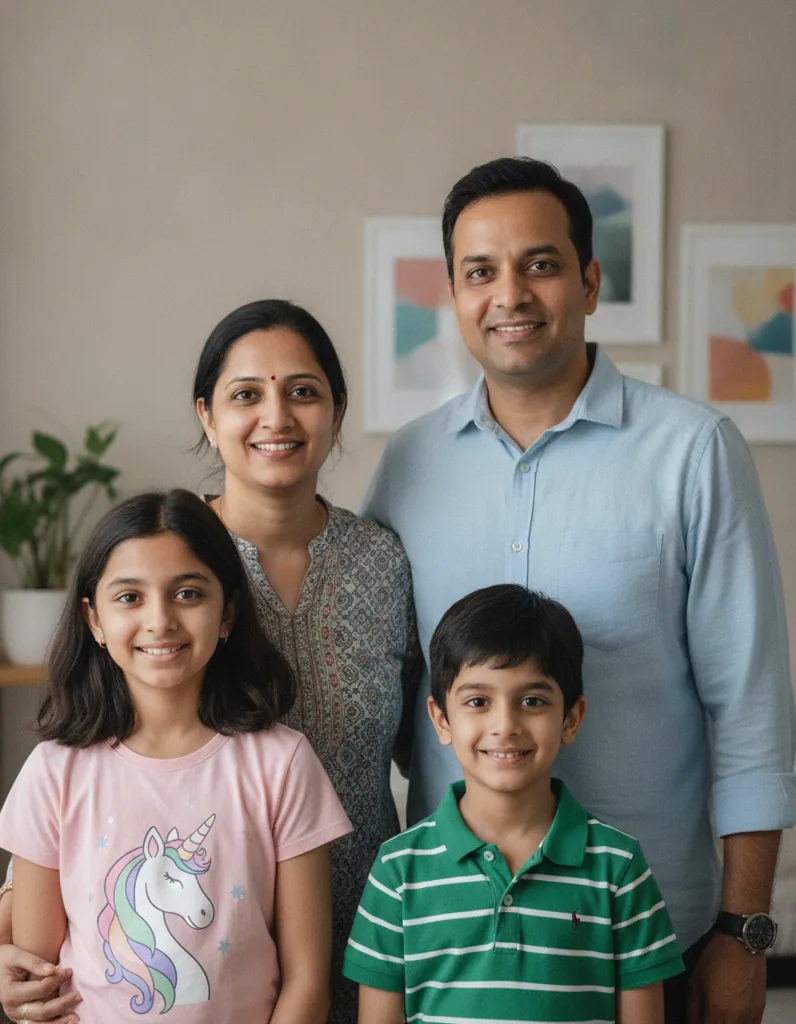
 Before
What this prompt creates
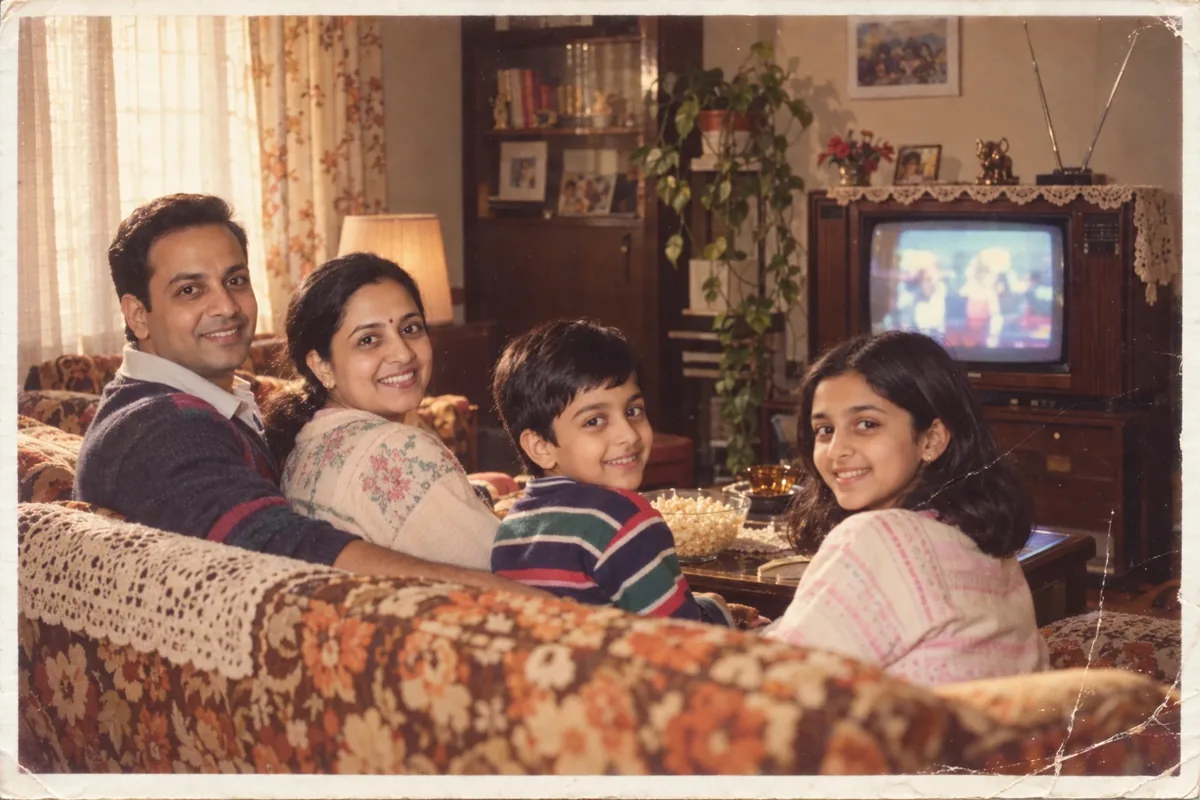
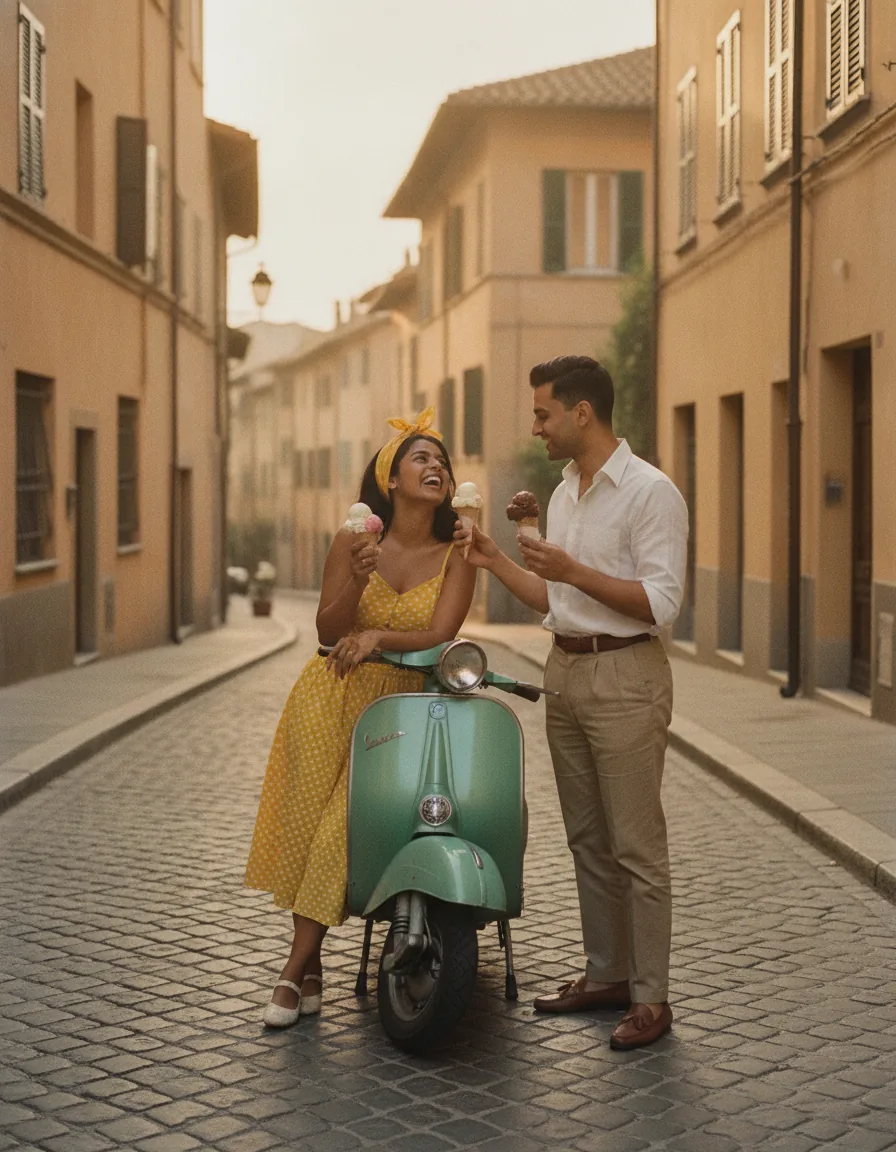
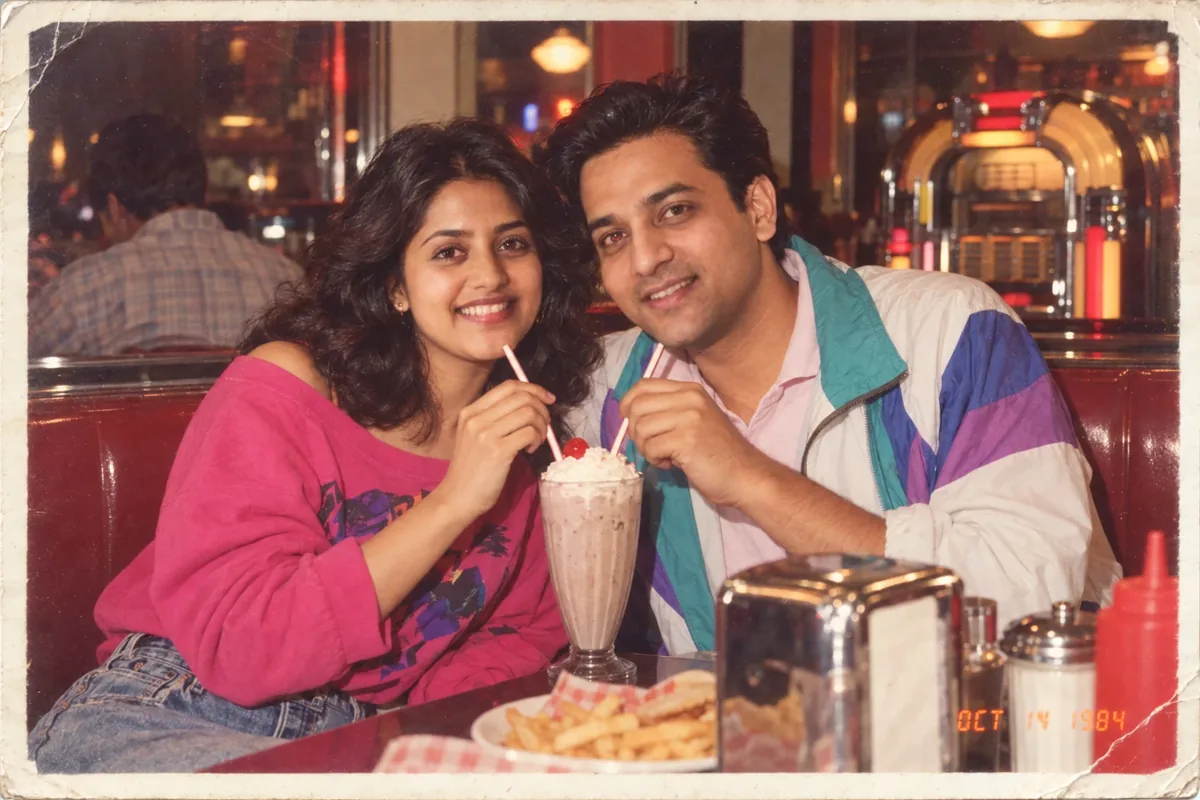
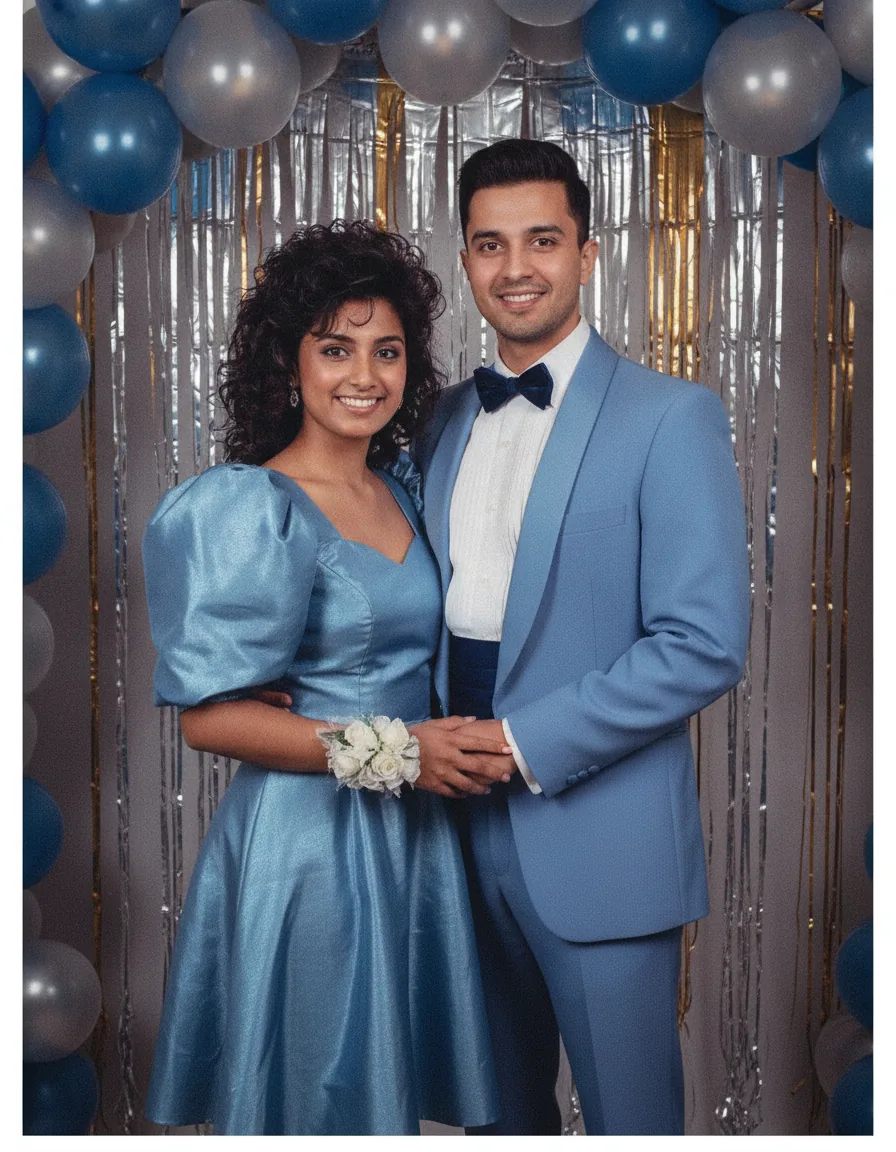
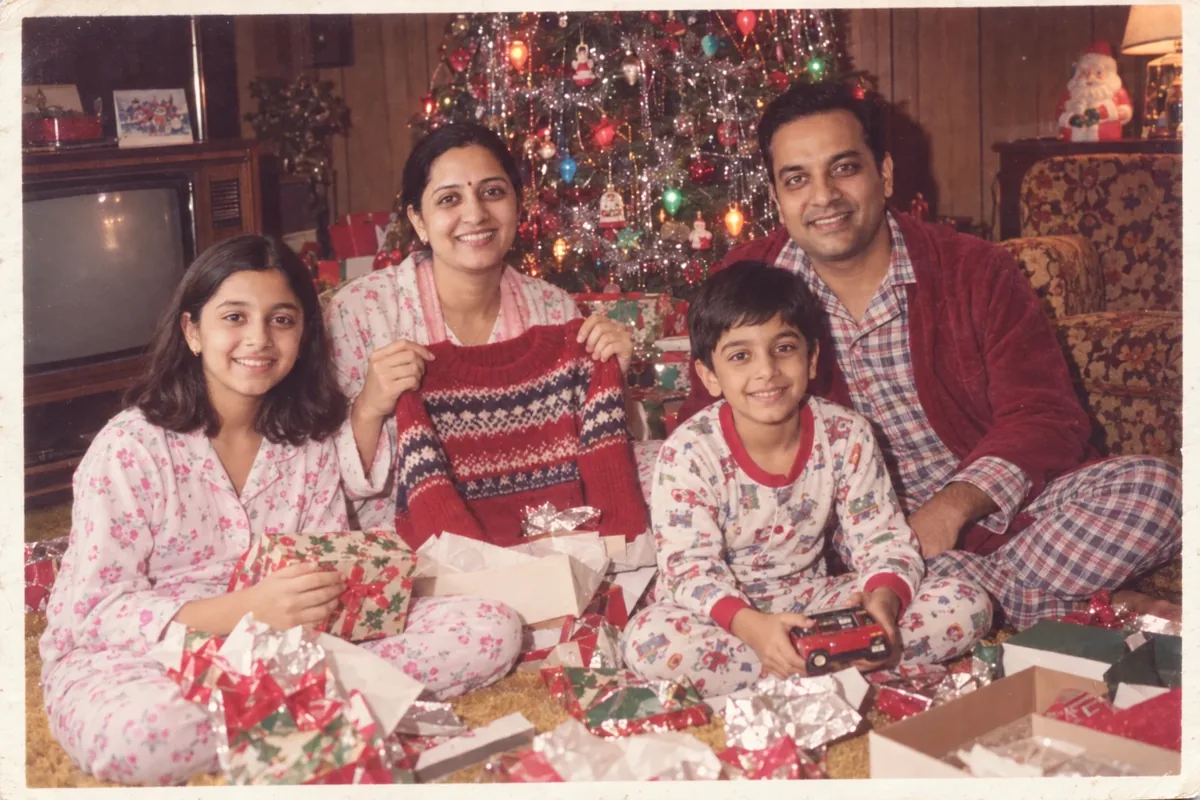
The finished picture shows your family on a mustard carpet in flannel pajamas and robes, amid torn foil paper and half-opened boxes. A tinsel-heavy tree with big coloured bulbs glows behind them against wood panelling. The flash is hard and frontal, corners fall dark, and one person has red-eye. The print has faded magenta colour, soft focus and a thin white border like a shoebox find.
How to use this 1980s christmas morning photo prompt
- Tap Copy prompt above to copy the full text.
- Open ChatGPT or Gemini and start a new chat. Upload a clear, well-lit photo where your face is fully visible (no sunglasses or heavy filters); for couple or family prompts, upload a photo with everyone in it.
- Paste the prompt and send it. Change the gifts being opened, the tree decorations and the pajama colours so the scene matches your own family's holiday traditions.
- If the face changes, reply “keep my face exactly as in the uploaded photo” and regenerate. Try two or three versions and keep the one that looks most like a real old print.
Tips for this prompt
- Use a group photo where faces are large and unobstructed; hats, sunglasses or heavy shadows in the upload make faces more likely to drift.
- If a child looks older or younger than in your upload, reply with each person's approximate age and position and ask to keep their exact face.
- For a later-80s variant, swap the flashcube for a 35mm point-and-shoot and add a date stamp in orange digits in the lower corner.
Who this prompt suits
Families making a holiday card, grown siblings recreating a childhood Christmas for parents, couples posting a seasonal throwback, and anyone filling a December photo album or family group chat.
What makes this prompt work
"Do not add or remove people" keeps the family intact, while "one person holding up a new sweater mid-laugh" gives the scene a candid centre instead of a posed lineup. "Cartridge instamatic and flashcube" and "red-eye in one person" define a specific, imperfect camera. "Faded magenta colour" describes how prints of the time actually aged, and "not a filter or illustration" keeps it looking photographed.