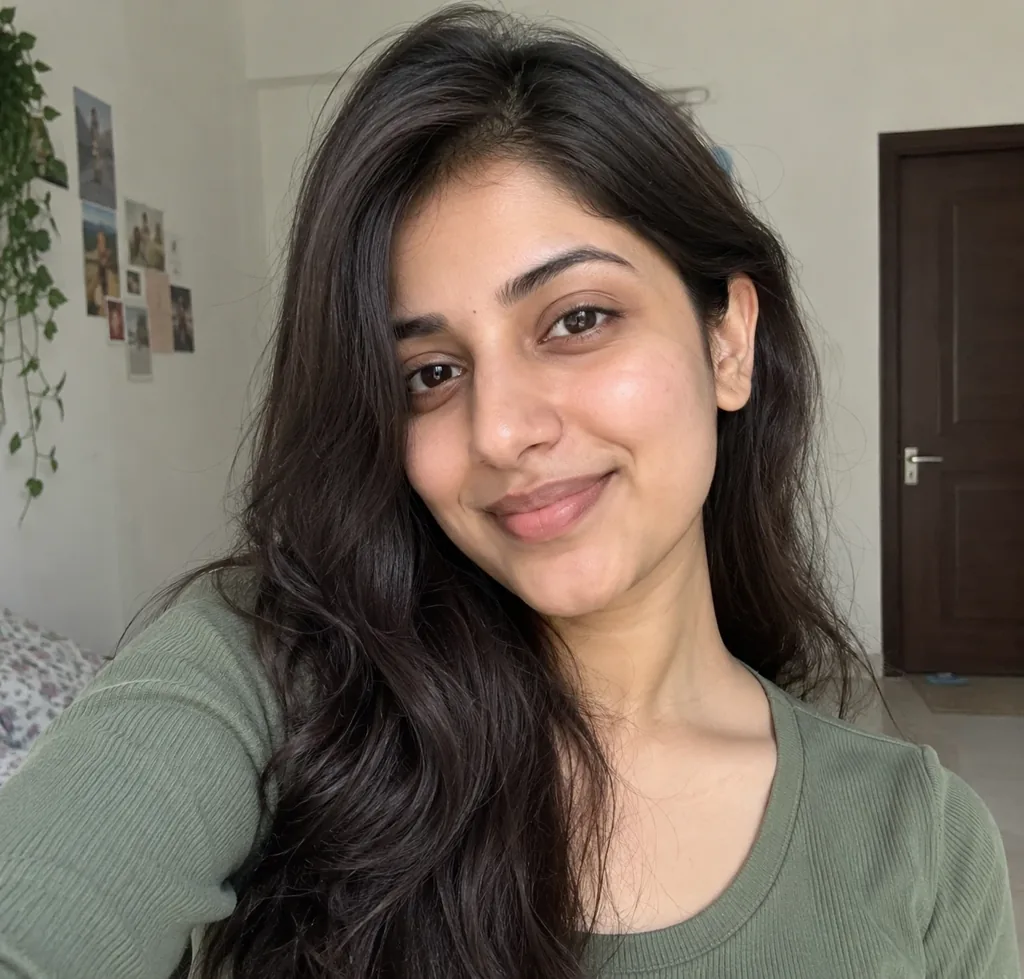
 Before
What this prompt creates
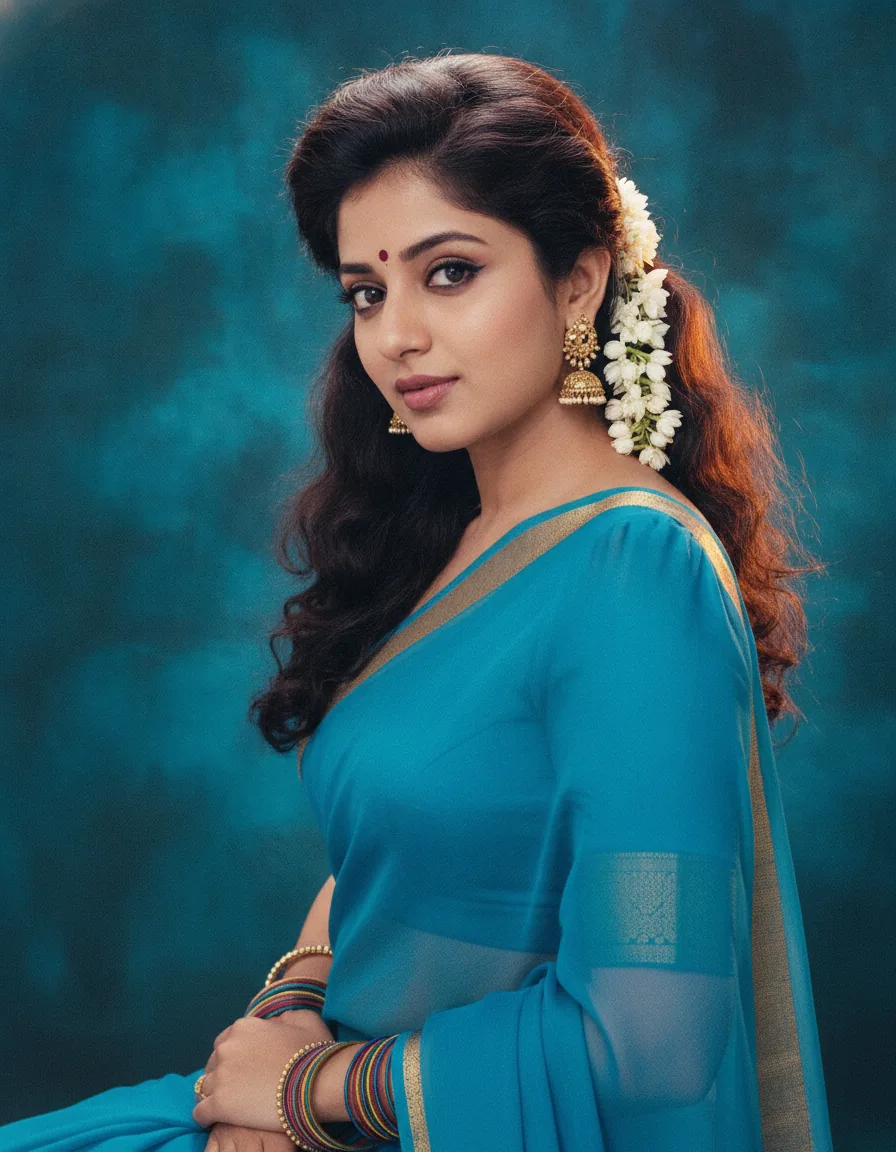
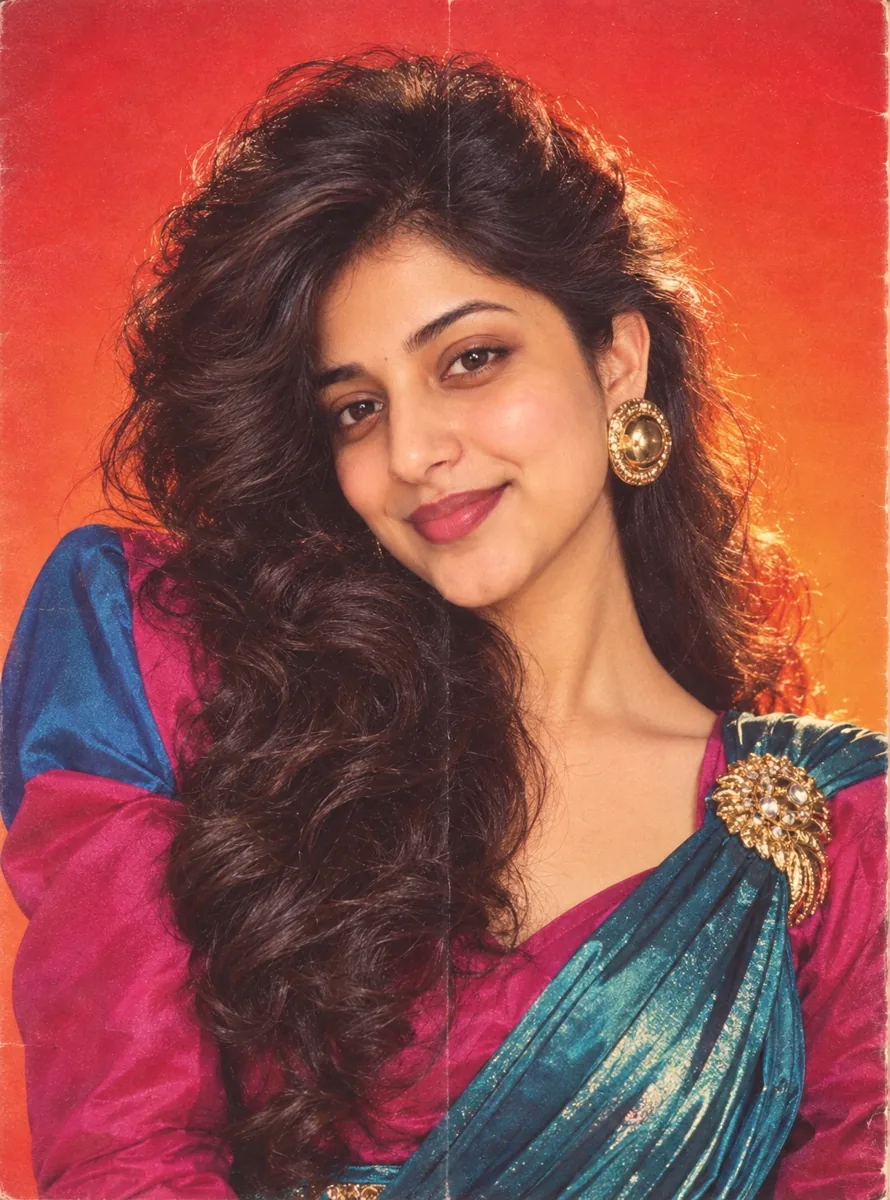
You appear in a tight chest-up crop, head tilted, in a jewel-toned outfit with padded shoulders and bold gold earrings, hair set high in sculpted waves. The background is a flat saffron-to-coral gradient with a coloured rim of light around you. The surface looks printed rather than photographed on film, with fine halftone dots, rich reds and a soft vertical crease through the middle, and there is no text anywhere.
How to use this 1980s indian magazine cover prompt
- Tap Copy prompt above to copy the full text.
- Open ChatGPT or Gemini and start a new chat. Upload a clear, well-lit photo where your face is fully visible (no sunglasses or heavy filters); for couple or family prompts, upload a photo with everyone in it.
- Paste the prompt and send it. Change the outfit colour, backdrop gradient and earrings to your own taste, and add one prop you would have held on the cover.
- If the face changes, reply “keep my face exactly as in the uploaded photo” and regenerate. Try two or three versions and keep the one that looks most like a real old print.
Tips for this prompt
- Upload a sharp, well-lit close-up of your face; this prompt crops tightly, so blurry source photos show their flaws much more than in full-length edits.
- If stray letters still appear, reply "remove every letter and number from the image" and ask for the same image again rather than rewriting the prompt.
- Try an emerald or royal-purple backdrop instead of saffron, or ask for a monsoon-special mood with rain-wet hair and a softer rim light.
Who this prompt suits
Anyone who wants a bold standalone portrait for a profile picture, a birthday post or a carousel. It suits men and women and works well as the first slide of a trend post.
What makes this prompt work
Stating "no masthead, headlines or any text at all" early matters, because image models love to invent garbled cover titles. "No face reshaping or beautifying" protects your likeness from glossy retouch. The capture line "fine halftone dots, slightly oversaturated reds, a faint centre fold crease" tells the model to imitate paper and ink rather than a digital photo, and "not digital art" keeps the gradient looking printed.