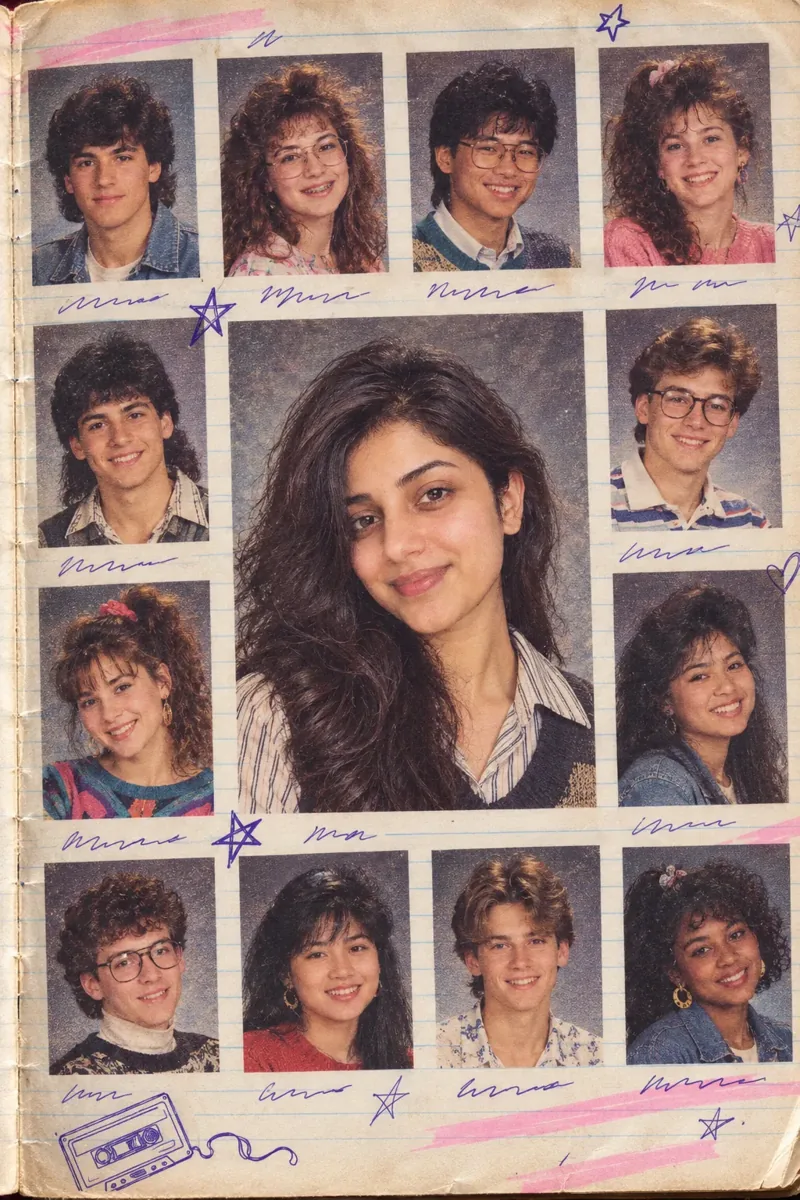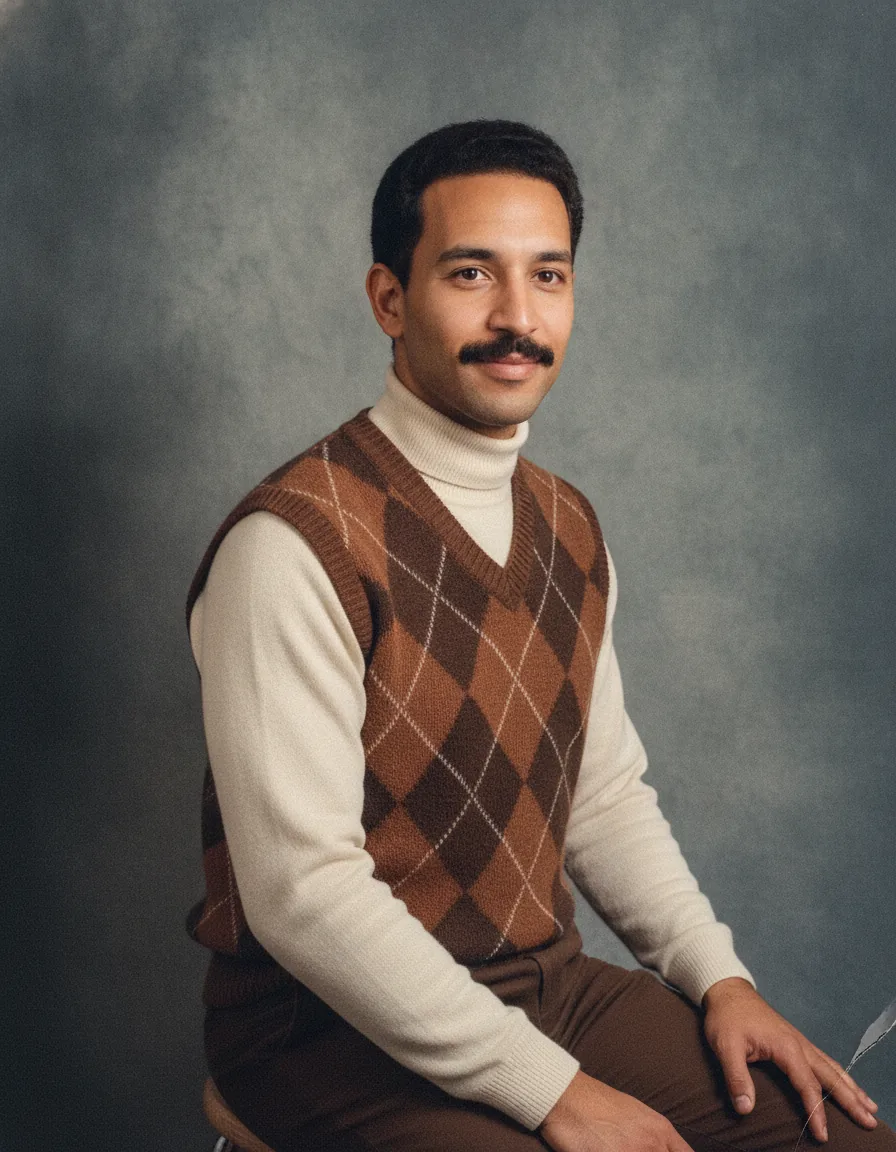
 Before
What this prompt creates
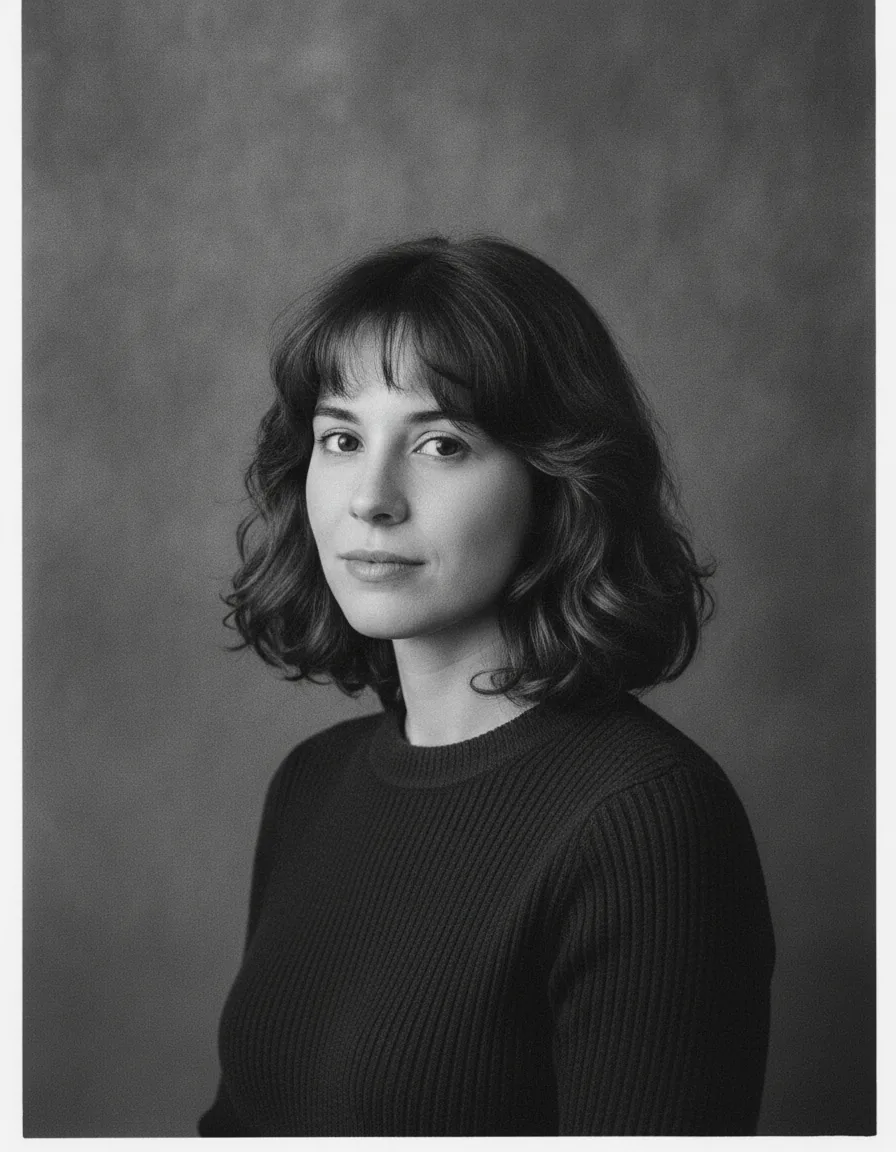
The result is a quiet three-quarter headshot on a mottled grey canvas background. A single soft light from the left models your face, leaving one cheek in gentle shadow. You wear a dark sweater or narrow tie and a period haircut suited to your hair. The tones run from deep black to creamy white with fine, even grain, framed by a thin white paper border.
How to use this 1980s black and white headshot prompt
- Tap Copy prompt above to copy the full text.
- Open ChatGPT or Gemini and start a new chat. Upload a clear, well-lit photo where your face is fully visible (no sunglasses or heavy filters); for couple or family prompts, upload a photo with everyone in it.
- Paste the prompt and send it. Replace the example hairstyles and the sweater or tie with the cut and clothing you would actually have chosen for a studio sitting.
- If the face changes, reply “keep my face exactly as in the uploaded photo” and regenerate. Try two or three versions and keep the one that looks most like a real old print.
Tips for this prompt
- Upload a well-lit colour photo with visible skin texture; heavily filtered selfies give the model nothing to preserve and the headshot will look plastic.
- If the face drifts, regenerate with "keep my exact eye shape, nose and jawline from the uploaded photo" added right after the identity sentence.
- Move the key light to camera right, switch the backdrop to plain black, or ask for a slightly warmer selenium-toned print for variety.
Who this prompt suits
Anyone who wants a serious, timeless portrait rather than a costume, including performers, writers and professionals looking for a distinctive profile picture or a framed print for a portfolio page.
What makes this prompt work
"Bone structure, skin texture" is added to the usual identity lock because black and white exaggerates shape and texture, so both must stay yours. "One large key light from camera left and a small reflector" gives a clear lighting direction instead of flat grey. "Fibre silver-gelatin paper" and "creamy highlights" steer the tonal feel, while "no digital sharpness" and "not an illustration" stop crisp, over-processed results.